Mold Restoration in Essex County, NJ
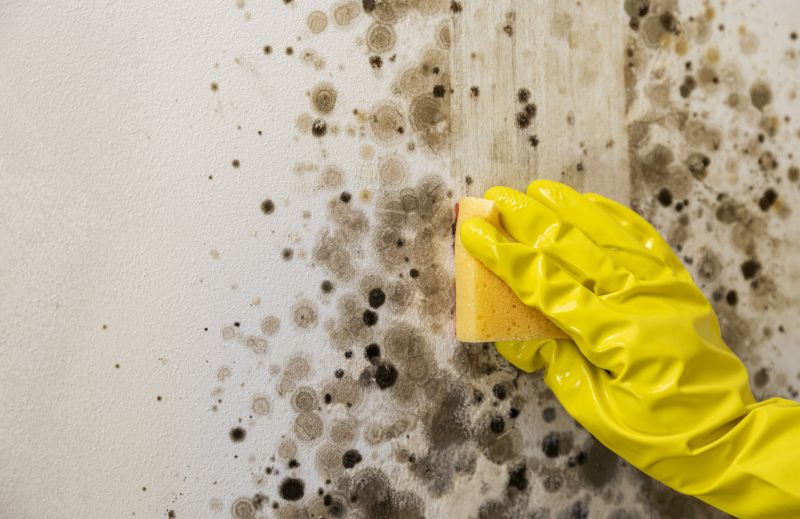
Mold restoration services involve the removal and cleanup of mold growth within residential properties. These projects typically address issues caused by excess moisture, leaks, or humidity that lead to mold development on surfaces such as walls, ceilings, flooring, and insulation. Property owners often seek mold restoration when they notice visible mold, experience musty odors, or suspect hidden mold growth that could impact indoor air quality and overall health. The process includes thorough inspection, containment to prevent cross-contamination, removal of affected materials, and comprehensive cleaning to restore the property to a safe condition.
Before requesting mold restoration, homeowners should understand the extent of the mold problem, including whether it is surface-level or has penetrated deeper into building materials. It’s also important to identify the source of moisture to prevent future growth. Property owners typically want clarity on the scope of work involved, the types of materials that may need replacement, and the steps taken to ensure mold does not return. Proper assessment and communication about these aspects help ensure the restoration process effectively addresses current issues and minimizes the risk of future mold problems.
Many property owners in Essex County, NJ look into Mold Restoration for repairs, replacements, upgrades, and appearance-related improvements.
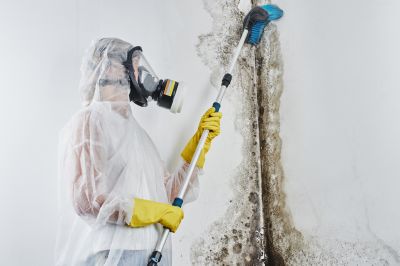
Mold Damage Repair
Restoring affected areas to prevent further deterioration and protect property value.
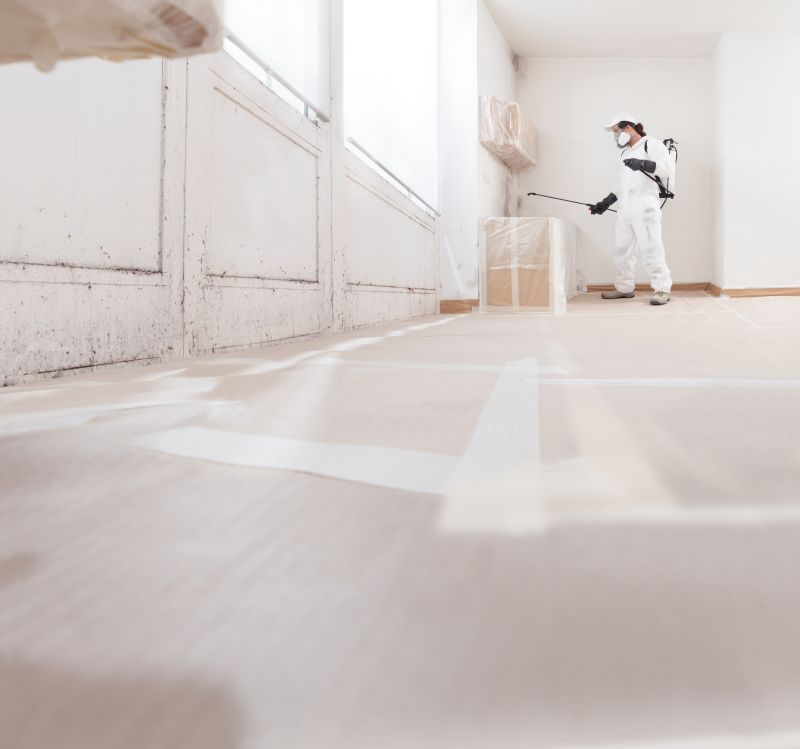
Mold Prevention Strategies
Implementing measures to reduce moisture and inhibit mold growth in homes and businesses.
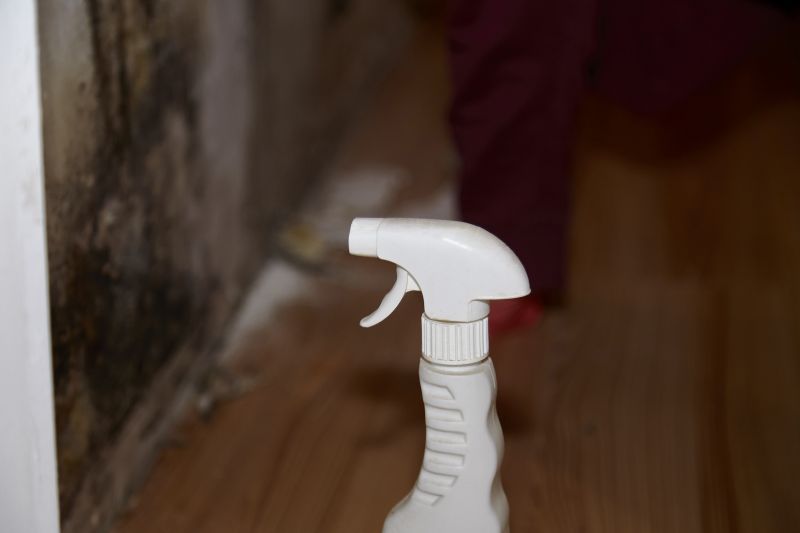
Mold Inspection & Testing
Identifying hidden mold issues to ensure thorough remediation and indoor air quality.
Mold Restoration in Essex County, NJ
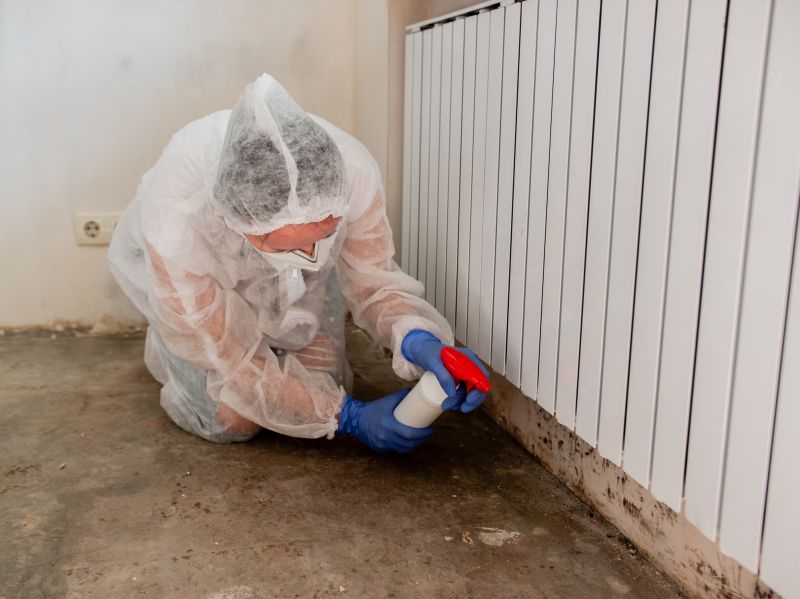
Mold restoration services involve the removal and cleanup of mold growth within residential properties. These projects typically address issues caused by excess moisture, leaks, or humidity that lead to mold development on surfaces such as walls, ceilings, flooring, and insulation. Property owners often seek mold restoration when they notice visible mold, experience musty odors, or suspect hidden mold growth that could impact indoor air quality and overall health. The process includes thorough inspection, containment to prevent cross-contamination, removal of affected materials, and comprehensive cleaning to restore the property to a safe condition.
Before requesting mold restoration, homeowners should understand the extent of the mold problem, including whether it is surface-level or has penetrated deeper into building materials. It’s also important to identify the source of moisture to prevent future growth. Property owners typically want clarity on the scope of work involved, the types of materials that may need replacement, and the steps taken to ensure mold does not return. Proper assessment and communication about these aspects help ensure the restoration process effectively addresses current issues and minimizes the risk of future mold problems.
Many property owners in Essex County, NJ look into Mold Restoration for repairs, replacements, upgrades, and appearance-related improvements.
Common Mold Restoration Jobs
Mold remediation - removal of mold growth from affected areas to improve indoor air quality.
Water damage restoration - addressing moisture issues that can lead to mold development in homes.
Attic and basement mold cleanup - treating areas prone to moisture accumulation and mold growth.
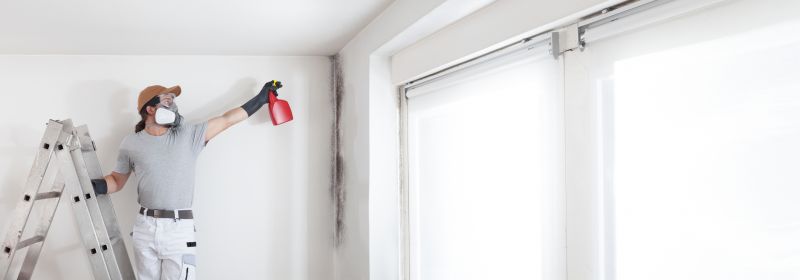
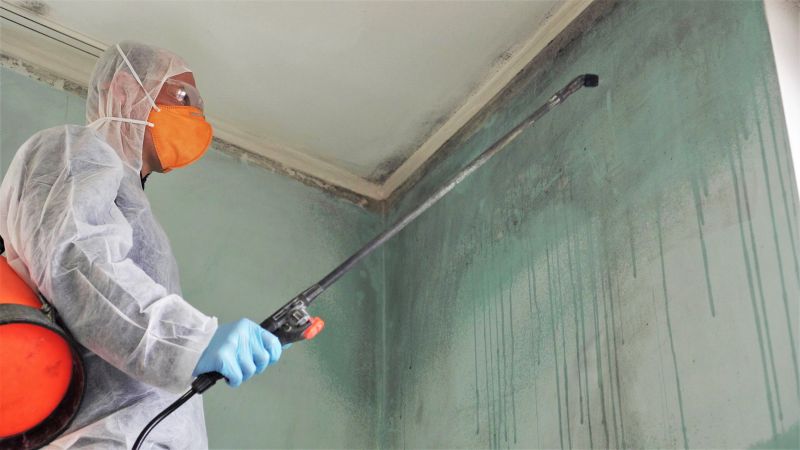
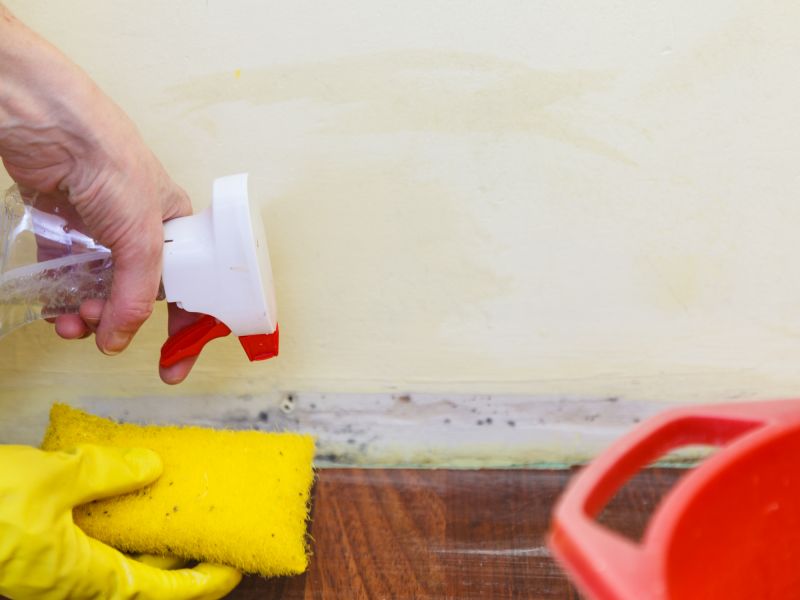
Surface mold removal - cleaning mold from walls, ceilings, and other surfaces safely.
HVAC mold treatment - disinfecting ductwork and ventilation systems to prevent mold spread.
Mold prevention consulting - advice on moisture control and ventilation to reduce future mold risks.
Mold Restoration Questions
What causes mold to grow indoors? Mold can develop due to excess moisture from leaks, high humidity, or poor ventilation within a property.
How can mold affect a property? Mold can damage surfaces, cause staining, and potentially impact indoor air quality and health.
What types of areas are commonly affected by mold? Mold often appears on walls, ceilings, bathrooms, basements, and around leaks or water damage.
What should property owners do if they find mold? It is recommended to contact a professional mold restoration service to assess and safely remove the mold.
Request Mold Restoration in Essex County, NJ
Use the quote form on this page to share the basics of your project and request more information for the type of work you need.